

Skip to content

Latest from our blog

Welche Tupfer und Probenbehälter werden wofür benötigt?

Which swabs and specimen containers are needed for what?

Different swab types, transport media, and specimen containers are used for medical examinations. The required type depends on the specimen being collected and what is to be examined in the laboratory. Sterile swabs, swabs with transport medium, and special containers for urine and stool specimens serve different purposes. Not every product is suitable for every examination. [1]

Read now →
Welche Übungsmodelle eignen sich für welche Fertigkeit?

Which practice models are suitable for which skill?

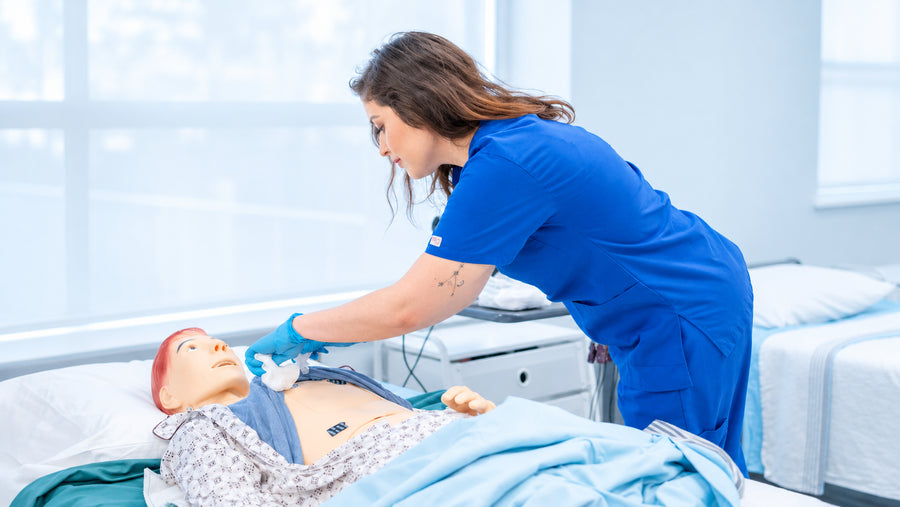
For practical nursing education, there are both versatile nursing dolls and specialized training models. Stoma trainers, pressure ulcer simulators, tracheostomy models, port training pads, and injection trainers support different learning objectives. The key is not which model has as many functions as possible, but whether the desired procedure can be practiced realistically, repeatedly, and in a way that can be assessed. Training models complement practical education, but replace neither the guidance of qualified professionals nor assessment in a real care setting. [1–3]

Read now →
Inkontinenzversorgung: Pants, Windeln und Katheter im Vergleich

Incontinence products: Pants, diapers and catheters compared

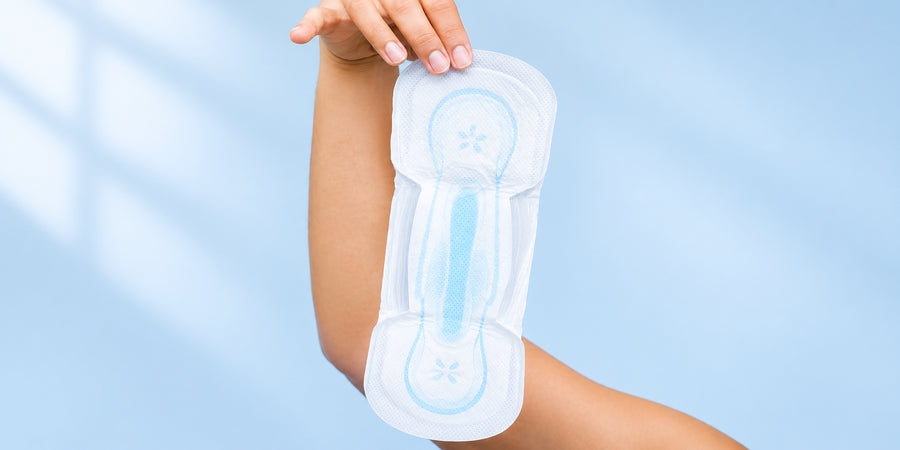
Incontinence pants and adult diapers absorb urine that leaks unintentionally. Pants can be put on like underwear, while incontinence briefs with side fasteners can also be changed while lying down. In contrast, bladder catheters drain urine directly from the bladder and are only suitable when medically indicated. The type of incontinence, mobility, absorbency requirements and, if applicable, medically diagnosed bladder emptying disorders are the deciding factors. [1–3]

Read now →
Welche Handschuhgröße brauche ich? - DocMed GmbH

What glove size do I need?

The most reliable way to determine the right glove size is by measuring your hand circumference and referring to the specific manufacturer's size chart. Measure around the widest part of your palm just below the knuckles, excluding the thumb. The gloves should fit snugly without restricting finger movement; gloves that are too large can reduce dexterity. [1][4]

Read now →
Militärische Sanitätsausbildung: Welche Trainingsmodelle eignen sich für realistische Verwundetenübungen? - DocMed GmbH

Military medical training: Which training models are suitable for realistic casualty exercises?

For military medical training, wound moulage is suitable for realistic injury simulation, while functional trainers are useful for practicing specific techniques. Comprehensive trauma moulage sets are appropriate for complex blast and fracture scenarios, whereas a dedicated trainer is better suited for tourniquet application. The deciding factors are the training objective, range of injuries, and reusability. [1–6]

Read now →
Was tun gegen eine beginnende Erkältung? - DocMed GmbH

What to do for the onset of a cold?

The onset of a common cold cannot be reliably stopped. In most cases, symptoms subside on their own within one to two weeks, although a cough may persist longer. Rest, drinking as needed, and targeted measures to relieve bothersome symptoms help manage the illness. If warning signs occur or there is an increased risk, medical advice should be sought early. [1–3]

Read now →
Welches Blutdruckmessgerät ist das richtige? - DocMed GmbH

Which blood pressure monitor is right for you?

For regular home blood pressure monitoring, a clinically validated automatic upper-arm monitor with the appropriate cuff size is generally the preferred choice. Wrist monitors can be an alternative if upper-arm measurement is difficult or if a particularly compact device is needed; in this case, the wrist should be held at heart level during measurement as much as possible. Additional features such as memory, Bluetooth, cuff fit detection, or AFib detection may be useful depending on the user profile. [1][2][3]

Read now →
Wie lagert man Blutzuckerteststreifen richtig? - DocMed GmbH

How should blood glucose test strips be stored properly?

Blood glucose test strips are stored in their original packaging and under the product-specific storage conditions. Important points are protection from moisture, immediately resealing the container, and observing the expiration date or use-by date. Different requirements may apply to test strips, test cassettes, and measuring devices. [1–3]

Read now →
Related products