
Avian influenza is one of the most dangerous infectious diseases in the animal kingdom. Although transmission to humans is rare, large poultry outbreaks, economic damage, and regional protective measures occur repeatedly.
This blog explains how to recognize bird flu , how to protect yourself and animals , and which products are truly helpful in everyday life .
What is avian influenza?
Avian influenza is caused by influenza A viruses, especially subtypes H5 and H7 . Infected wild birds – primarily waterfowl – shed the virus through feces, saliva, and nasal secretions.
From there it can spread to poultry or, in rare cases, to humans.
Symptoms & warning signs in birds
-Suddenly increased mortality in the population
- Shortness of breath, wheezing, nasal discharge
-Blue to black coloration of comb and wattles
-Apathy, lack of food intake
-Reduced egg production
-Swelling in the head area
Even a single suspected case should be reported to the veterinary office immediately.
Risk to humans – what is important?
Transmission to humans is rare, but possible. Those at particular risk include:
-Poultry farmers, veterinarians, stable staff
-People who have close contact with infected or dead birds
Typical signs in humans:
-High fever
-Severe respiratory diseases
-Joint pain
-In severe cases, pneumonia
How can you protect yourself?
1. Avoid contact with wild birds
Do not touch dead or sick birds. Keep your distance – especially from gulls, ducks, and swans.
2. Maintain hygiene
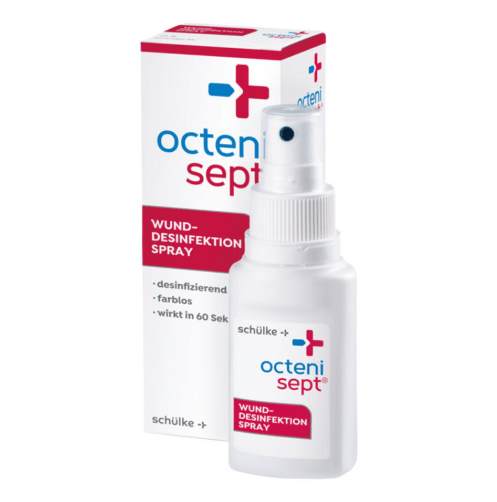
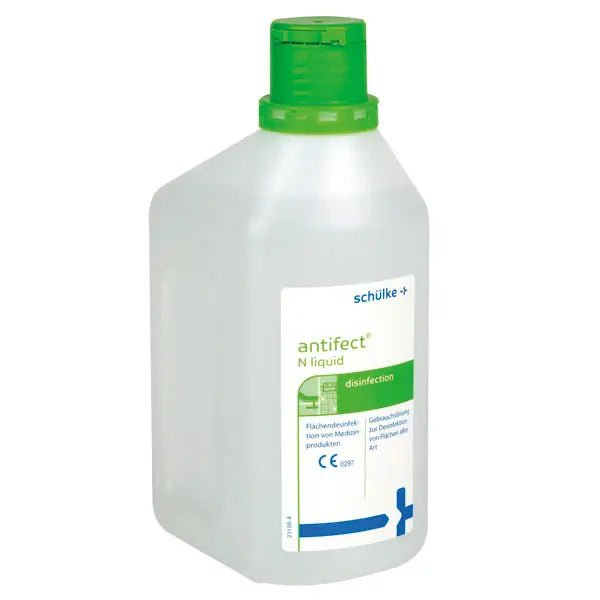
Disinfection is one of the most important building blocks in the private and professional environment.
3. Keeping poultry safe
-Comply with the stable confinement requirement (if ordered)
-Offer food and water for farm birds only in the barn
- Wear protective clothing as needed
Useful products for protection against bird flu
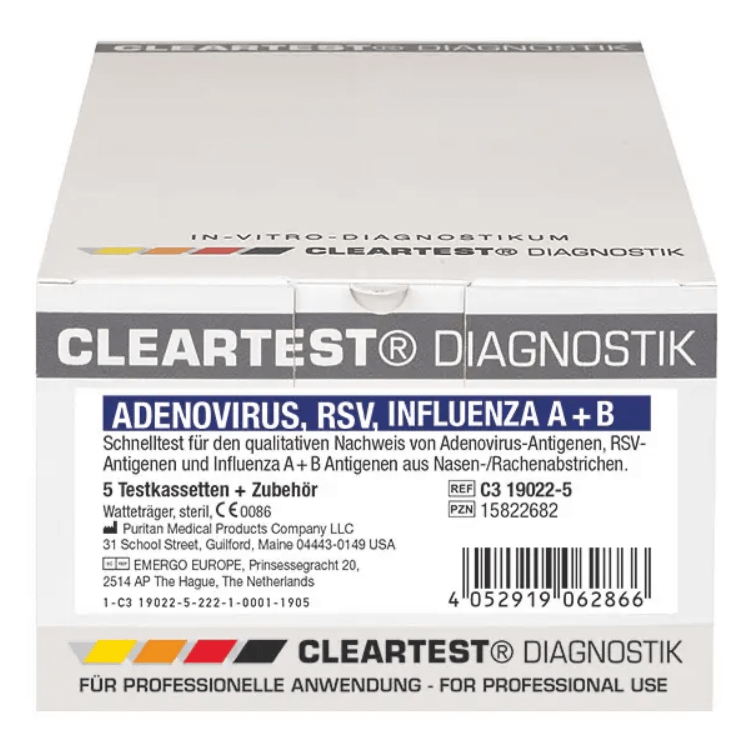
1. Rapid tests for avian influenza / influenza A tests
Rapid tests provide an initial indication of whether influenza A viruses are present in the population.
Important:
-For professional use (veterinarians / businesses)
-Results are preliminary tests – laboratory confirmation is still required
-Ideal for quick monitoring in poultry flocks
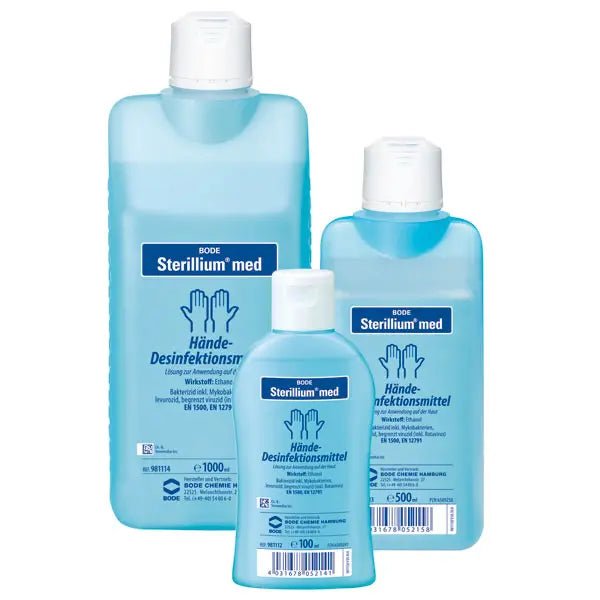
2. Hand sanitizer
Products that are limited virucidal PLUS or virucidal should be effective.
They reliably inactivate the influenza virus.
Recommended:
-Wet hands thoroughly for 30 seconds
-Mandatory for mobile teams (poultry farms, veterinarians)
Suitable product types:
-Hand sanitizing gel (virucidal)
-Liquid disinfectants for on the go
3. Surface disinfection
-stables
-quarantine areas
-Transport boxes
-Veterinary practices
Look for products that are effective against enveloped viruses – these include influenza viruses.
Typical forms:
-Spray disinfection
-Wipe disinfection
-High-performance disinfectant concentrates
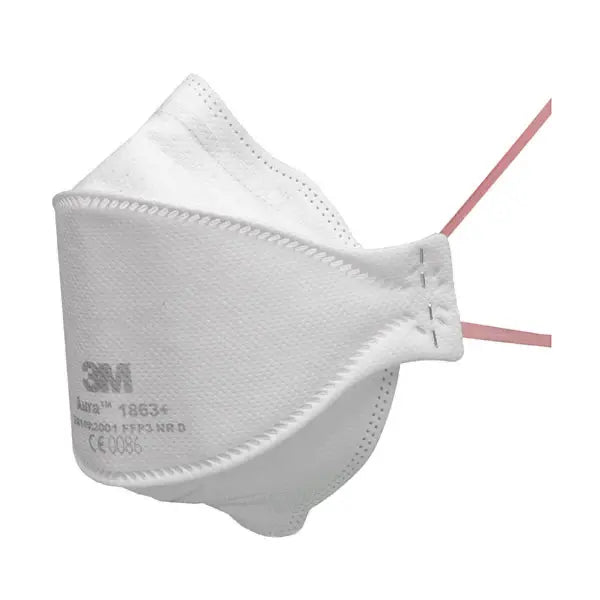
4. Protective gloves & respirators
For everyone who works directly with poultry:
-Nitrile gloves (high durability, hygienic)
-FFP2/FFP3 masks
-Protective gowns or overalls
These significantly reduce the risk of transmission.
5. Cleaning & hygiene kits for poultry farmers
A good option is to use combined sets consisting of:
-Disinfectant
-gloves
-Disposable wipes
-protective masks
Ideal for businesses, animal shelters, zoos, and hobbyists.
How should one react if there is suspicion?
No direct contact with the animal
Immediately isolate the business or area.
Contact the veterinary authority
Wear protective clothing
Thoroughly disinfect surfaces and hands.
Swift action prevents widespread outbreaks!
Conclusion
Avian influenza remains a serious animal disease – but with good hygiene, effective disinfectants and, if necessary, rapid tests, the risk can be significantly reduced.
Whether poultry farmer, veterinarian or private individual: those who are prepared protect themselves, their surroundings and the animals.